
Scroll to Body Content
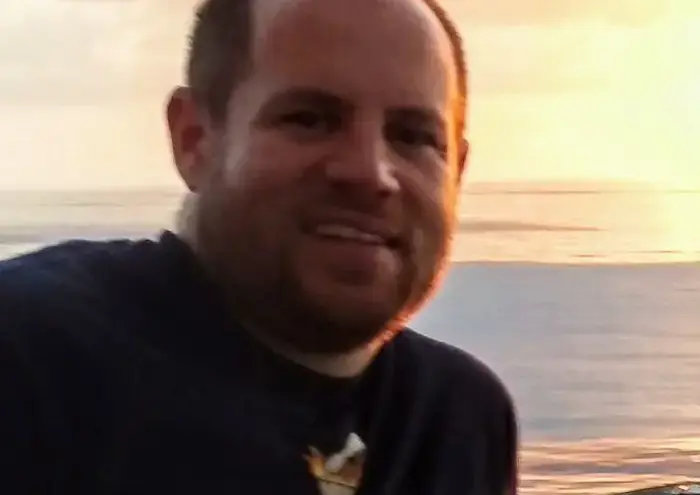
ARMED FORCES - MARCUS HEMBER OM'91
What is your profession and current position?
I have served 26 years in the Royal Navy, mostly at sea and often on operations. I am a Captain, Royal Navy, and at present work in the Maritime Operations Centre where I run the team that plans Royal Navy operations around the world. This includes the ships, submarines, aircraft, Royal Marine Commandos, and other capabilities that make up the Naval Service. In Autumn 2022 I will assume Command of HMS ALBION, an amphibious ship ("Landing Platform Dock") based in Plymouth and return again to sea on operations - probably for the last time!
How did Monkton get you ready for the world of work?
Monkton imbued me with a work ethic and perhaps also a sense of duty and that has helped me overcome some of the challenges of Service life. The CCF(RN) section at Monkton was my first exposure to the Royal Navy and set me on the path to my current career.
What is your biggest professional achievement?
My greatest professional achievement has been the opportunity to Command sailors and ships on operations; I've commanded four ships, and reflecting back on the experience, the opportunity to lead and help our people fulfil their potential gives me greatest satisfaction. I've watched junior sailors and officers progress through their career, and occasionally been able to mentor and assist them to achieve on their own account - perhaps passing a professional exam, or assume their own first Command.
Away from the sea, I worked in the MoD Crisis Management team at the start of the COVID pandemic; helping to setup the team that enabled the MOD to overcome the challenges presented by the pandemic and make a contribution to the wider government response was hugely satisfying and a great example of the breadth and variety that a Royal Navy career can offer.
What has been your most challenging professional moment?
The obvious challenges (and greatest rewards) are often on operations; an example might be the many obstacles inherent in working alongside several partner nations to enforce the UN arms embargo of Libya. Less high profile, but probably of more importance are the challenges that often come with leading people; whether that be overcoming the difficulties of long separation from home and family, helping people deal with professional hurdles or setbacks, or when having to oversee the implementation of Service discipline. The less glamorous elements of Service life - perhaps overseeing a ship emerging from refit and regenerating to return to operations, or long periods at sea testing equipment - often place the greatest demands on people to maintain motivation and energy levels.
What inspires and motivates you at work?
I'm lucky to have a career which benefits from a very direct and tangible link to our collective safety, security, and prosperity, in a dangerous and changeable world. What the Royal Navy does is profoundly important to protect our values, freedoms, and way of life, under threat, as ever, and perhaps more so than in recent years. More directly, I'm inspired by the brilliant people in the Royal Navy, who come from every walk of life and for whom progress is limited only by ability and application; the RN is a very genuine meritocracy.
What is one piece of advice you would like to share with pupils or OMs about getting into your profession?
A Naval career is not for everyone - but it offers more than many would think. It is important to remember that any military service, and certainly service in the Royal Navy, is a vocation, not a job; it will demand much of you, but offer a tremendous amount in return. You won't get rich, but the experiences and opportunities on offer more than make up for it.