

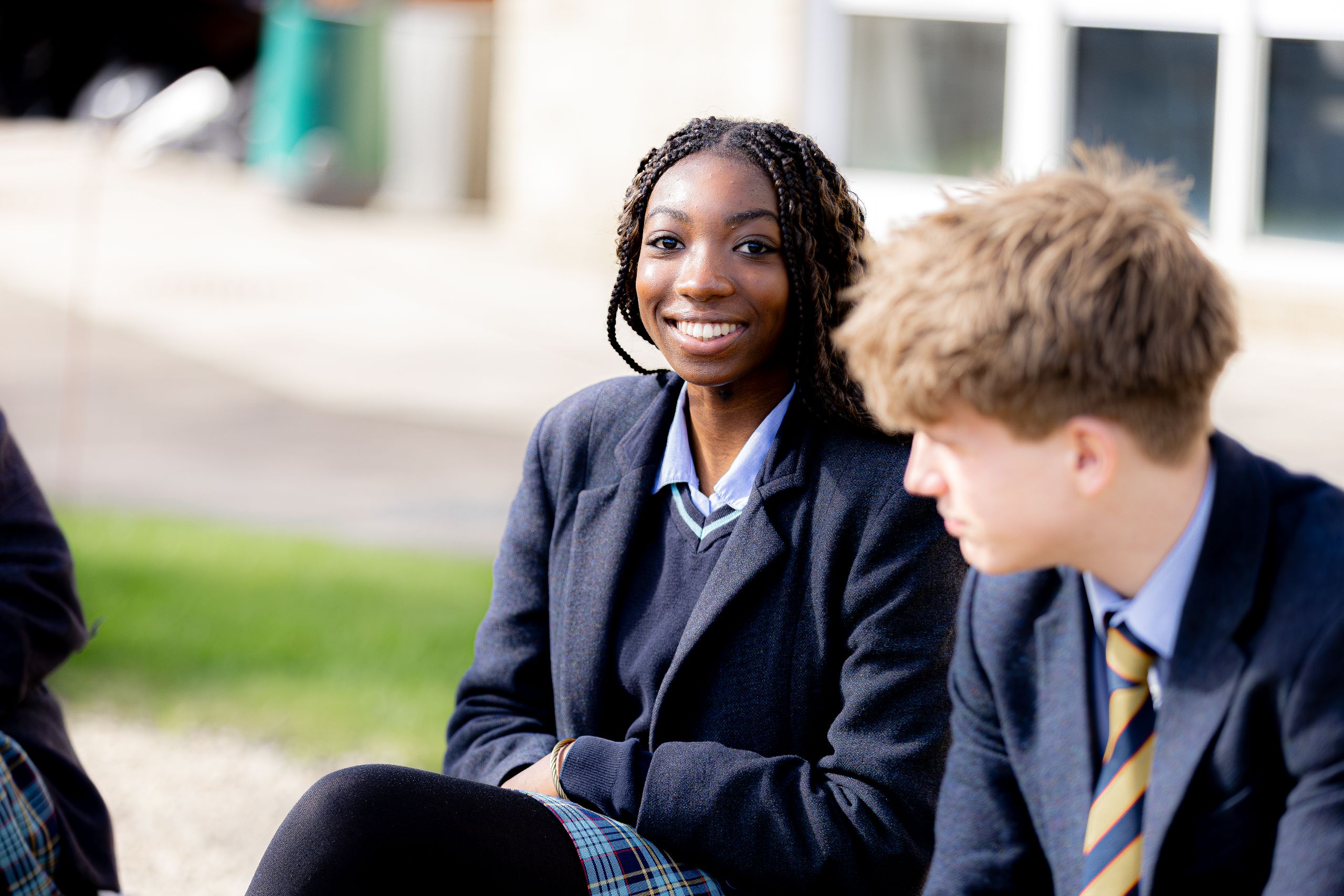
Caring for the Whole Person
Monkton has been at the forefront of the thinking around pastoral care for decades
We take a proactive pastoral approach because we know that a person can’t be divided into segments. Emotional, social and academic progress are deeply enmeshed and are all essential to become the courageous, kind and ambitious people we grow at Monkton.
TEAM AROUND YOUR CHILD
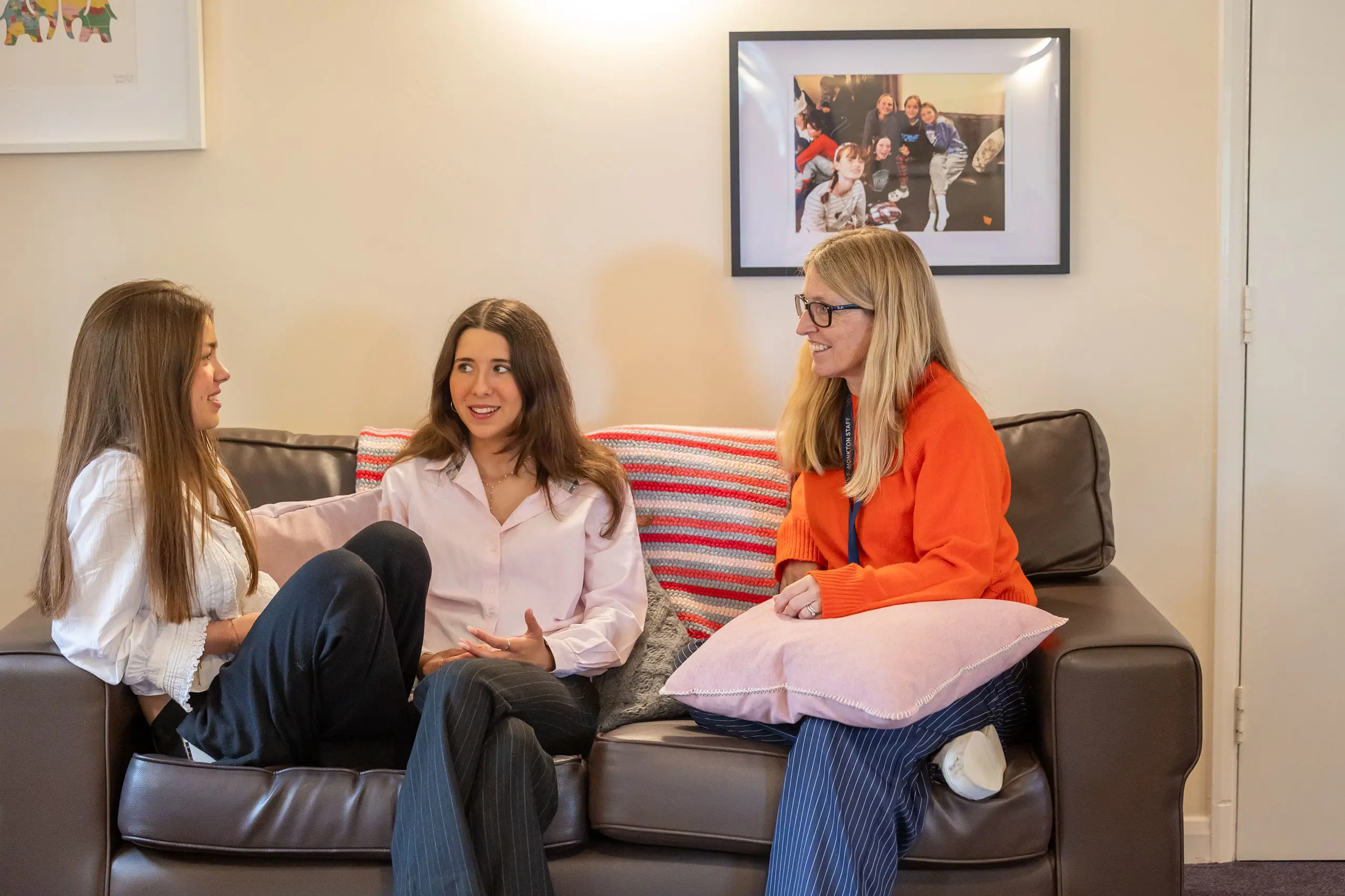
Every pupil at Monkton Senior will have multiple layers of support. For both day pupils and boarders our houseparents are always on hand to talk, whether for a supportive chat, or for guidance on any matter. Our parents deeply value having other trusted adults, supporting and guiding their children, especially during the teenage years, as often they find it harder to receive advice from parents!
Pupils have a 1:1 tutor from our staff, meeting regularly, enabling them to talk about anything on their mind, whether relating to academic studies or any other aspect of life. Younger pupils are mentored by a Year 13; someone to advise them and share their experience.
Behind this, every staff member at Monkton sees the welfare and safety of each pupil as part of their role, whether they are teachers, our trained medical team, or working in any of our operations teams. It is an incredible strength of the community that everyone takes this seriously, working together to spot issues before they become overwhelming.
Pastoral team
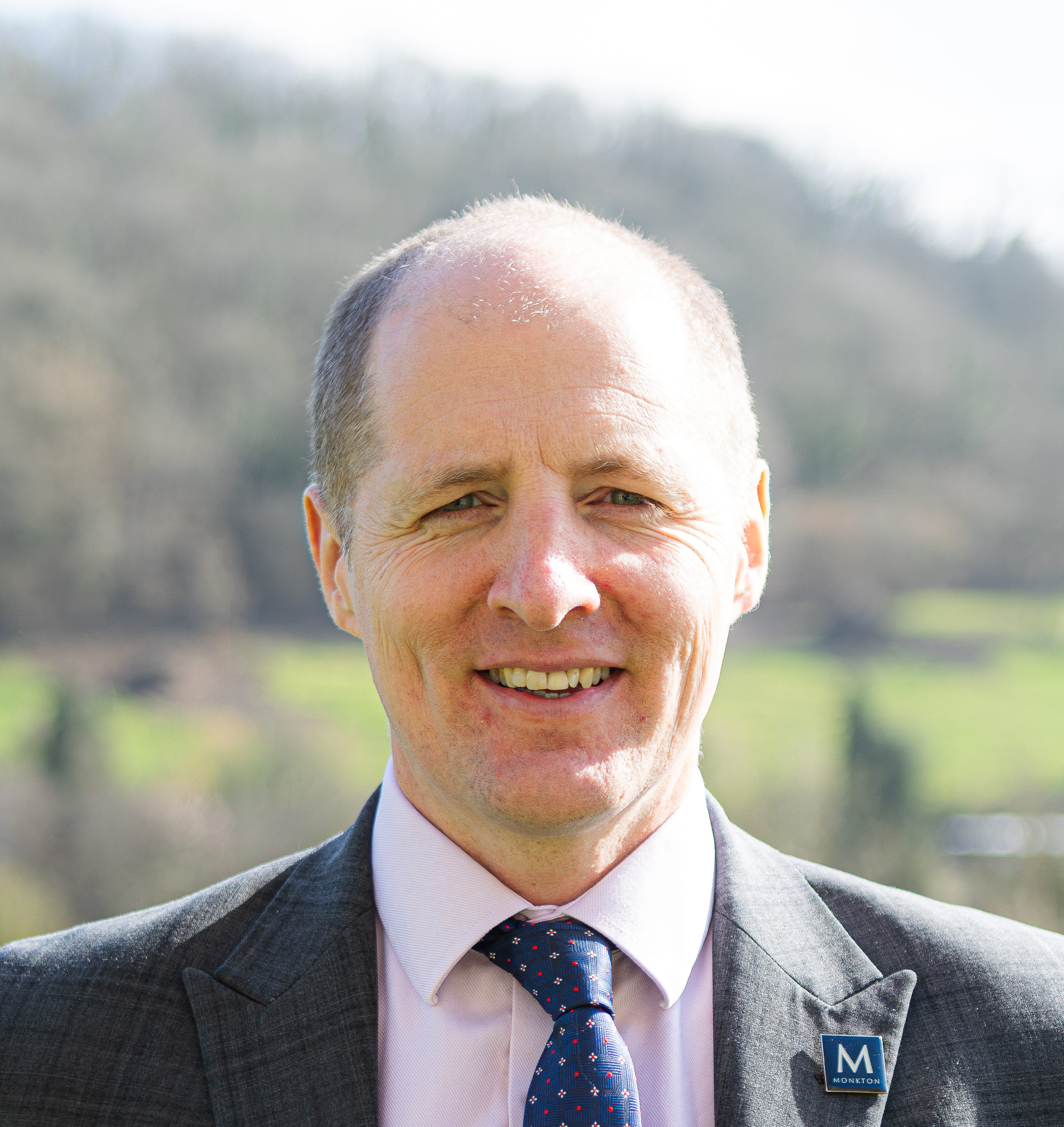
Our superb pastoral team ensures each student is cared for holistically. Our Director of Safeguarding and Deputy Head Pastoral work closely with houseparents, our medical centre (one of few in the country to be fully staffed by trained nurses), and our school listener to build robust, deep and tailored support for every student. This is not just for crisis moments but to help them develop, flourish and grow in confidence and integrity.
| 
| 
|
Personal, Social & Health Education (PSHE) |
Our spiral PSHE programme is designed to engage with our pupils on vital issues relevant to their journey through adolescence and to prepare them for adulthood. At every stage, our pupils experience age-appropriate, open and inspiring opportunities to learn about mental health and wellbeing, respectful relationships, healthy choices, safety both online and in the real world, how to use technology well, diversity and inclusion and preparing for the future. The programme is taught by a dedicated team and every pupil has one lesson a week to consider these important issues, through discussion and engagement with relevant and topical themes. Within the robust curriculum we offer, our team responds to developing trends amongst teenagers speedily and thoughtfully. |
TECHNOLOGY |
We take our educational responsibility around technology very seriously. We work closely with students, parents and government guidance to provide space for our children and teenagers to build deep friendships in person, rather than allowing them to drift into a primarily online world. We want to help them grow into adults who are able to manage, control and use technology positively. Therefore, our approach grows with the pupil, with a mix of boundaries that support them, positive use of technology for learning and guided discussion and reflection on its impact on individuals and society. |
STEER tracking |
We want every pupil to understand themselves better and to learn the strategies they need to navigate life with wisdom, integrity and courage, learning to “steer” well. We are therefore proud to be the pioneer school for STEER tracking, now used by many across the independent and state sectors. STEER creates snapshots, revealing how our pupils are thinking and feeling beneath the surface. We use this to spot strengths and potential risks, and tailor the support and development we offer each pupil. It also shows us trends across different groups, allowing us to adapt and hone our approach to year groups and houses, as needed. STEER is an academically robust programme that helps each pupil become a thriving version of themselves, understanding their needs, abilities and how to adapt to the different environments they face, now and in the future. |